


The core programs · Our first Georgetown season
More understanding.
More confidence.
Better cooking.
Four programs for curious home chefs. Explore the techniques, follow the progression, and find the discipline you'd like to try first.
Find your programClasses begin January 2027 · Reservations open in November
Founding Circle reservationsNovember 10
Public reservationsNovember 12
Beginning January 2027
Georgetown, Washington, D.C.
Choose your discipline
A foundation to build on.
Study your subject in depth with others who are just as excited to learn.
 01
Culinary Techniques
Understand heat, build sauces, and learn the skills you need to cook with confidence.
Explore the program 02
Knife Skills
Build precision and control, from the first cut to whole poultry, meat, and fish.
Explore the program 03
Pastry Foundations
Study the doughs, fillings, and finishing techniques behind classic pastry.
Explore the program 04
Bread & Baking
Follow dough from mixing and fermentation to shaping, lamination, and baking.
Explore the programThe way we learn
Time to look closely.
Room to ask why.
Each class builds on the one before it. Working alongside the same cohort, you’ll return to foundational techniques, recognize what changes, and put your understanding into practice.
Learn in a kitchen of up to eight students, with space for questions and the practice that builds confidence at home.
Core program / 01
For home chefs who want to understand the decisions behind a dish and build a broader foundation at the stove.
Receive the booking announcementReservations open November 10 for Founding Circle members and November 12 for everyone.
Essential Culinary Techniques
Learn the fundamental culinary techniques that enable you to cook vegetables, starches, sauces and proteins with skill and intention. Across six classes, study the effects of heat, moisture and timing, and develop the judgment to choose and adapt a method rather than simply follow a recipe.
- Complete program
- $1,750.00per student
- The commitment
- 6 classes2.5–3 hours per meeting
- In the kitchen
- Up to 8 studentsOne cohort, learning together
Your six-class journey
01The foundations of flavorStock-making, heat, and the order of preparation.
Establish the working methods behind sweating, sautéing, blanching, thickening, blending and stock-making. Learn what each process contributes to flavor and texture, then combine the techniques in a finished dish. The emphasis is on understanding the sequence of preparation and the purpose of each step.
02Vegetables & the application of heatChoose the right method for each ingredient.
Examine how a vegetable’s structure, water content and natural sugars affect its response to heat. Learn to judge texture and doneness, control moisture and develop flavor. Use these observations to choose a cooking approach that suits the ingredient rather than relying on timing alone.
03Potatoes, rice & grainsWork with starch, texture, and absorption.
Study potatoes, rice and grains as distinct ingredients with different cooking requirements. Learn to choose the appropriate starch for a dish and manage liquid, heat and cooking time to achieve the intended texture. Develop the judgment to recognize when a starch is properly cooked.
04SaucesBuild body, balance, and a repertoire of sauces.
Study the five classical mother sauces: béchamel, velouté, espagnole, tomate and hollandaise. Understand how their ingredients and methods establish body, texture and flavor, and how each is used. Explore how changes in seasoning or finishing ingredients create related daughter sauces.
05PoultryTime, temperature, and the path to tenderness.
Work with whole roast chicken and duck confit to understand roasting and low-temperature cooking. Examine how time, heat and the cooking medium influence tenderness and flavor. Learn to assess doneness and coordinate the stages of cooking rather than treating a recipe’s timing as the only guide.
06Meat and FishBring your techniques together with steak and fish.
Refine pan-roasting with steak and fish, balancing surface browning with controlled cooking at the center. Pay attention to pan temperature, contact with the cooking surface and the point at which to finish cooking. Bring the series’ earlier lessons together in precise protein cookery.
Explore cohort dates
Wednesdays · Jan 6–Feb 10, 20276 meetings
- 016 PM–8:30 PM ET
- 026 PM–8:30 PM ET
- 036 PM–8:30 PM ET
- 046 PM–8:30 PM ET
- 056 PM–8:30 PM ET
- 066 PM–8:30 PM ET
Saturdays · Jan 9–Feb 13, 20276 meetings
- 0110:15 AM–12:45 PM ET
- 0210:15 AM–12:45 PM ET
- 0310:15 AM–12:45 PM ET
- 0410:15 AM–12:45 PM ET
- 0510:15 AM–12:45 PM ET
- 0610:15 AM–12:45 PM ET
Thursdays · Feb 4–Mar 11, 20276 meetings
- 0110:30 AM–1:30 PM ET
- 0210:30 AM–1:30 PM ET
- 0310:30 AM–1:30 PM ET
- 0410:30 AM–1:30 PM ET
- 0510:30 AM–1:30 PM ET
- 0610:30 AM–1:30 PM ET
Sundays · Feb 7–Mar 14, 20276 meetings
- 013:15 PM–5:45 PM ET
- 023:15 PM–5:45 PM ET
- 033:15 PM–5:45 PM ET
- 043:15 PM–5:45 PM ET
- 053:15 PM–5:45 PM ET
- 063:15 PM–5:45 PM ET
Wednesdays · Mar 3–Apr 7, 20276 meetings
- 016 PM–8:30 PM ET
- 026 PM–8:30 PM ET
- 036 PM–8:30 PM ET
- 046 PM–8:30 PM ET
- 056 PM–8:30 PM ET
- 066 PM–8:30 PM ET
Saturdays · Mar 13–Apr 17, 20276 meetings
- 0110:15 AM–12:45 PM ET
- 0210:15 AM–12:45 PM ET
- 0310:15 AM–12:45 PM ET
- 0410:15 AM–12:45 PM ET
- 0510:15 AM–12:45 PM ET
- 0610:15 AM–12:45 PM ET
Schedule preview only. Reservations are not yet open.
Core program / 02
For chefs who want more control in everyday preparation, from precise vegetable cuts to working with whole ingredients.
Receive the booking announcementReservations open November 10 for Founding Circle members and November 12 for everyone.
Knife Skills
Develop the precision and control that underpin professional kitchen preparation. Across six classes, progress from knife anatomy and foundational cuts to whole poultry, meat and fish fabrication. Learn to select the appropriate tool, work safely and produce consistent results with less unnecessary waste.
- Complete program
- $1,750.00per student
- The commitment
- 6 classes2.5 hours per meeting
- In the kitchen
- Up to 8 studentsOne cohort, learning together
Your six-class journey
01The foundations of knife workGrip, blade care, and precise foundational cuts.
Learn the anatomy of a kitchen knife, how grip affects control and the mechanics of maintaining a working edge. Establish safe hand positioning and practice foundational cuts with deliberate, repeatable movements. Build accuracy before increasing speed, with attention to the size and consistency of each piece.
02Precision & rhythmAdvanced cuts, consistent dimensions, and efficient preparation.
Develop more advanced cuts while building a steady production rhythm. Practice maintaining consistent dimensions as you work more efficiently, then apply the prepared ingredients in blanching and pickling. Connect the precision of the cut with its effect on cooking and the finished texture.
03The right tool for the taskWork with specialty blades, challenging produce, and chicken.
Learn when to use paring and serrated knives, peelers, mandolines and microplanes instead of a chef’s knife. Work with challenging produce such as leeks, squash and citrus segments, then apply appropriate blade control to chicken preparation. Focus on selecting the tool and movement that fit the task.
04Working with whole poultryTruss, spatchcock, portion, and make stock.
Work through whole-chicken preparation by trussing, spatchcocking and cutting a bird into eight portions. Learn to identify joints and follow the bird’s structure for clean, controlled cuts. Use the bones for stock, connecting accurate fabrication with thoughtful use of the whole ingredient.
05Meat trimming & portioningRefine control with steak and pork tenderloin.
Practice cutting evenly sized steaks and trimming and portioning a pork tenderloin. Refine blade angle and control to make clean cuts while limiting unnecessary waste. Learn why consistent portions matter for both presentation and predictable cooking, maintaining sound technique throughout the preparation.
06Whole fish & seafoodAssess freshness, break down fish, and prepare fumet.
Assess seafood freshness and learn appropriate handling and storage before breaking down a whole fish. Develop controlled knife work suited to delicate flesh and use the bones to make fumet, a light fish stock. Apply the series’ emphasis on precision and careful use of ingredients.
Explore cohort dates
Thursdays · Jan 7–Feb 11, 20276 meetings
- 016 PM–8:30 PM ET
- 026 PM–8:30 PM ET
- 036 PM–8:30 PM ET
- 046 PM–8:30 PM ET
- 056 PM–8:30 PM ET
- 066 PM–8:30 PM ET
Sundays · Jan 10–Feb 14, 20276 meetings
- 0110 AM–12:30 PM ET
- 0210 AM–12:30 PM ET
- 0310 AM–12:30 PM ET
- 0410 AM–12:30 PM ET
- 0510 AM–12:30 PM ET
- 0610 AM–12:30 PM ET
Saturdays · Feb 6–Mar 13, 20276 meetings
- 013:45 PM–6:15 PM ET
- 023:45 PM–6:15 PM ET
- 033:45 PM–6:15 PM ET
- 043:45 PM–6:15 PM ET
- 053:45 PM–6:15 PM ET
- 063:45 PM–6:15 PM ET
Thursdays · Mar 4–Apr 8, 20276 meetings
- 016 PM–8:30 PM ET
- 026 PM–8:30 PM ET
- 036 PM–8:30 PM ET
- 046 PM–8:30 PM ET
- 056 PM–8:30 PM ET
- 066 PM–8:30 PM ET
Sundays · Mar 7–Apr 18, 20276 meetings
- 0110:15 AM–12:45 PM ET
- 0210:15 AM–12:45 PM ET
- 0310:15 AM–12:45 PM ET
- 0410:15 AM–12:45 PM ET
- 0510:15 AM–12:45 PM ET
- 0610:15 AM–12:45 PM ET
Schedule preview only. Reservations are not yet open.
Core program / 03
For bakers who want to understand how doughs, fillings, temperature, and handling shape a finished pastry.
Receive the booking announcementReservations open November 10 for Founding Circle members and November 12 for everyone.
Pastry Foundations
Study the foundational methods behind classic pastry, from cookies and tart doughs to sponge cakes, pâte à choux, custards and mousses. Across six classes, develop precision in mixing, temperature control and assembly, and understand how ingredients and handling determine structure, texture and finish.
- Complete program
- $1,750.00per student
- The commitment
- 6 classes3 hours per meeting
- In the kitchen
- Up to 8 studentsOne cohort, learning together
Your six-class journey
01Cookies & precise bakingShortbread, tuiles, and habits for crisp, delicate results.
Work with shortbread and tuiles to establish precise mixing, resting, chilling, shaping and baking habits. Learn how dough handling and baking affect texture and color. Complete the process with appropriate cooling and storage so the finished cookies retain their intended crispness.
02Pâte briséeA shortcrust foundation for sweet and savory pastries.
Make pâte brisée, a shortcrust pastry used in both sweet and savory cooking. Practice mixing, resting and rolling the dough, paying attention to temperature and handling. Apply the method to preparations such as apple turnovers and quiche, seeing how one foundation supports different fillings.
03Pâte sucrée & tart fillingsSweet tart shells, ganache, pastry cream, and fruit.
Prepare pâte sucrée, a sweet tart dough, and pair it with chocolate ganache and crème pâtissière, or pastry cream. Learn to organize the dough, fillings and finishing stages to assemble fresh-fruit and chocolate tarts. Focus on the relationship between a well-baked shell and its filling.
04Sponge cakes & rouladesAeration, filling, rolling, and a meringue finish.
Build a roulade from sponge cake, fruit compote and whipped cream, finished with a torched meringue topping. Study aeration and careful handling as the components come together. Practice rolling and finishing while preserving the lightness of the sponge and the definition of the filling.
05Pâte à chouxA cooked dough for éclairs, profiteroles, and savory applications.
Study pâte à choux, the cooked dough used for éclairs, profiteroles, gougères and gnocchi parisienne. Learn how cooking the base, incorporating eggs and judging consistency prepare it for different applications. Explore the shaping and cooking methods that take the same foundation in sweet and savory directions.
06Custards & moussesSmooth custards, light chocolate mousse, and careful finishing.
Prepare crème brûlée, pots de crème and chocolate mousse, focusing on the control required for smooth custards and light aerated mixtures. Learn to recognize the desired consistency and handle each preparation carefully through cooking or mixing and setting. Refine texture and finish in the final class.
Explore cohort dates
Sundays · Jan 10–Feb 14, 20276 meetings
- 013 PM–6 PM ET
- 023 PM–6 PM ET
- 033 PM–6 PM ET
- 043 PM–6 PM ET
- 053 PM–6 PM ET
- 063 PM–6 PM ET
Saturdays · Feb 6–Mar 13, 20276 meetings
- 013:30 PM–6:30 PM ET
- 023:30 PM–6:30 PM ET
- 033:30 PM–6:30 PM ET
- 043:30 PM–6:30 PM ET
- 053:30 PM–6:30 PM ET
- 063:30 PM–6:30 PM ET
Wednesdays · Mar 3–Apr 7, 20276 meetings
- 016 PM–9 PM ET
- 026 PM–9 PM ET
- 036 PM–9 PM ET
- 046 PM–9 PM ET
- 056 PM–9 PM ET
- 066 PM–9 PM ET
Sundays · Mar 7–Apr 18, 20276 meetings
- 013:30 PM–6:30 PM ET
- 023:30 PM–6:30 PM ET
- 033:30 PM–6:30 PM ET
- 043:30 PM–6:30 PM ET
- 053:30 PM–6:30 PM ET
- 063:30 PM–6:30 PM ET
Schedule preview only. Reservations are not yet open.
Core program / 04
For bakers who want to read their dough, understand fermentation, and build confidence across different kinds of bread.
Receive the booking announcementReservations open November 10 for Founding Circle members and November 12 for everyone.
Bread & Baking Fundamentals
Develop a technical foundation in mixing, fermentation, shaping and lamination. Six classes span seven attendance dates, progressing from quick breads to long-fermented doughs and viennoiserie. Learn to read the dough at each stage of preparation.
- Complete program
- $1,750.00per student
- The commitment
- 6 classes · 7 attendance dates3–5 hours per meeting
- In the kitchen
- Up to 8 studentsOne cohort, learning together
Classes 1–5 meet weekly. Class 6, Lamination & viennoiserie, spans two consecutive days. Review all seven attendance dates for your cohort.
Your six-class journey
01Baking foundations & quick breadsWeighing, mixing methods, and chemical leavening.
Build accurate baking habits by weighing ingredients and scaling recipes. Compare the muffin and biscuit mixing methods, paying attention to how handling affects the finished crumb. Work with chemical leaveners and learn to assess doneness through the baked product rather than relying on a timer alone.
02Breads from the griddleEnglish muffins, crumpets, and pancakes.
Make English muffins, crumpets and pancakes using skillet and griddle methods. Compare yeast and chemical leavening, and learn how batter or dough consistency changes the result. Manage surface heat to develop color while allowing the center to cook properly.
03The foundations of yeast breadsMix, ferment, shape, and bake lean loaves.
Work with yeast-leavened doughs for sandwich bread, baguettes and cinnamon-raisin loaves. Follow the progression from mixing through fermentation, shaping and baking, observing how the dough changes at each stage. Develop a consistent approach to handling and shaping different bread forms.
04Enriched doughsWork with fat, eggs, and sugar in rolls, braids, and buns.
Examine how fat, eggs and sugar change dough texture, fermentation and proofing. Learn to adjust handling as enriched dough behaves differently from a lean dough. Practice shaping rolls, braids, loaves and buns, with attention to even portions and the structure of the finished bread.
05Long fermentation & prefermentsSourdough, focaccia, and pizza in one class.
In one class, work with long-fermented doughs and preferments through sourdough, focaccia and pizza. Study how time changes dough development, flavor and texture, and examine the relationship between fermentation, handling and the finished bake.
06Lamination & viennoiserieCroissants and Danish pastries across two meetings.
Across two consecutive days, study lamination for croissants and Danish pastries. Learn how rolling, folding and temperature control preserve distinct layers of dough and butter. Follow the dough through shaping, proofing and baking, and explore filling and rebaking day-old croissants.
Explore cohort dates
Saturdays, with a final Sunday · Jan 9–Feb 14, 20277 attendance dates
- 0110 AM–1:30 PM ET
- 0210 AM–1 PM ET
- 0310 AM–2 PM ET
- 0410 AM–2 PM ET
- 0510 AM–1:30 PM ET
- 0610 AM–1:30 PM ET
- 0710 AM–1:30 PM ET
Tuesdays, with a final Wednesday · Jan 26–Mar 3, 20277 attendance dates
- 0110 AM–1:30 PM ET
- 0210 AM–1 PM ET
- 0310 AM–3 PM ET
- 0410 AM–2 PM ET
- 0510 AM–1:30 PM ET
- 0610 AM–1:30 PM ET
- 0710 AM–1:30 PM ET
Saturdays, with a final Sunday · Mar 13–Apr 18, 20277 attendance dates
- 0110 AM–1:30 PM ET
- 0210 AM–1 PM ET
- 0310 AM–2 PM ET
- 0410 AM–2 PM ET
- 0510 AM–1:30 PM ET
- 0610 AM–1:30 PM ET
- 0710 AM–1:30 PM ET
Tuesdays, with a final Wednesday · Mar 30–May 5, 20277 attendance dates
- 0110 AM–1:30 PM ET
- 0210 AM–1 PM ET
- 0310 AM–3 PM ET
- 0410 AM–2 PM ET
- 0510 AM–1:30 PM ET
- 0610 AM–1:30 PM ET
- 0710 AM–1:30 PM ET
Schedule preview only. Reservations are not yet open.
The chefs behind Skillette
Meet Joshua & Nadia
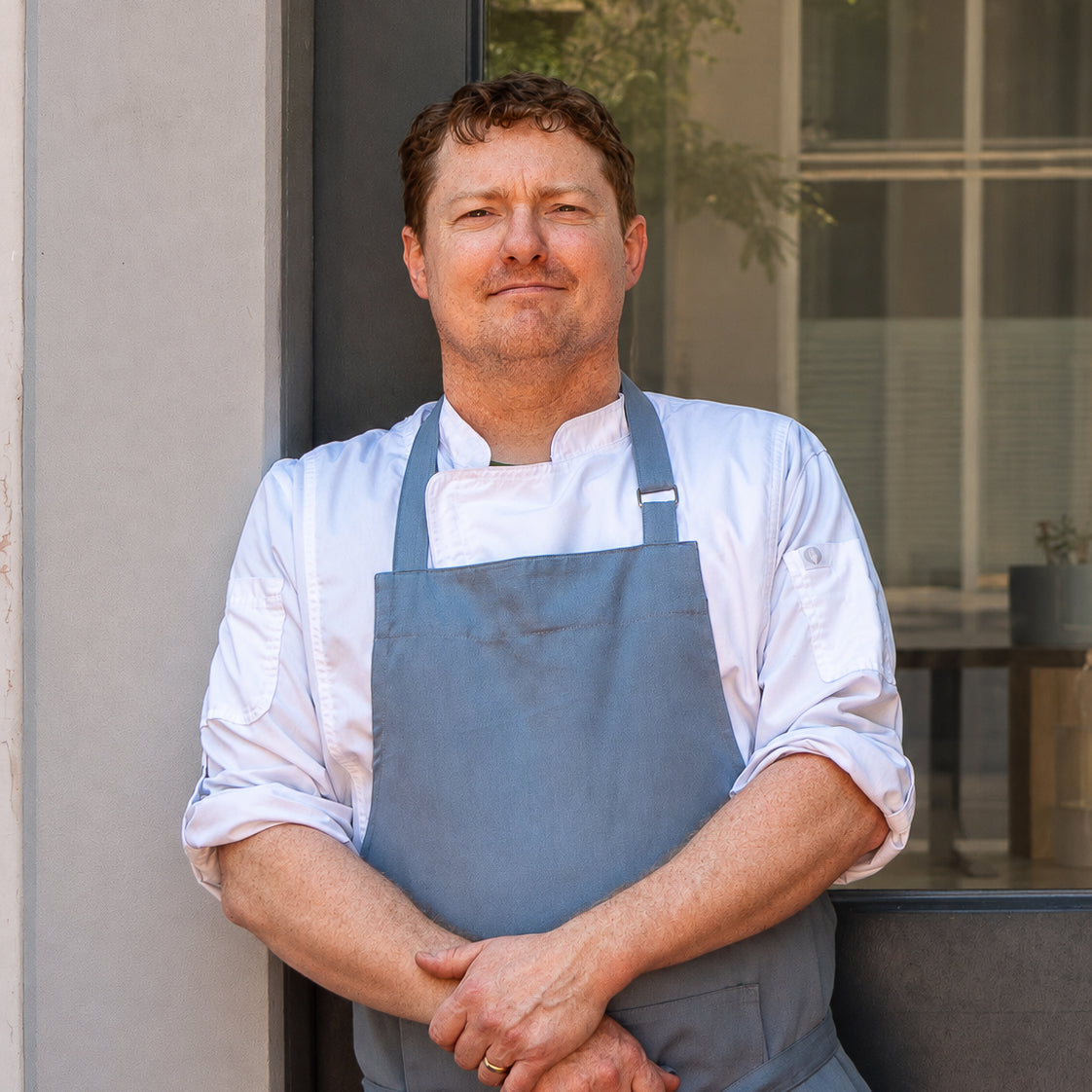
Core curriculum
Chef Joshua Jarvis
Culinary Director
Chef Joshua leads Skillette’s core curriculum, drawing on decades of experience in pastry, restaurant kitchens, and culinary leadership. Returning to Skillette after teaching some of our earliest classes, he brings deep technical expertise and a precise, approachable way of teaching students how to build lasting skill in the kitchen.
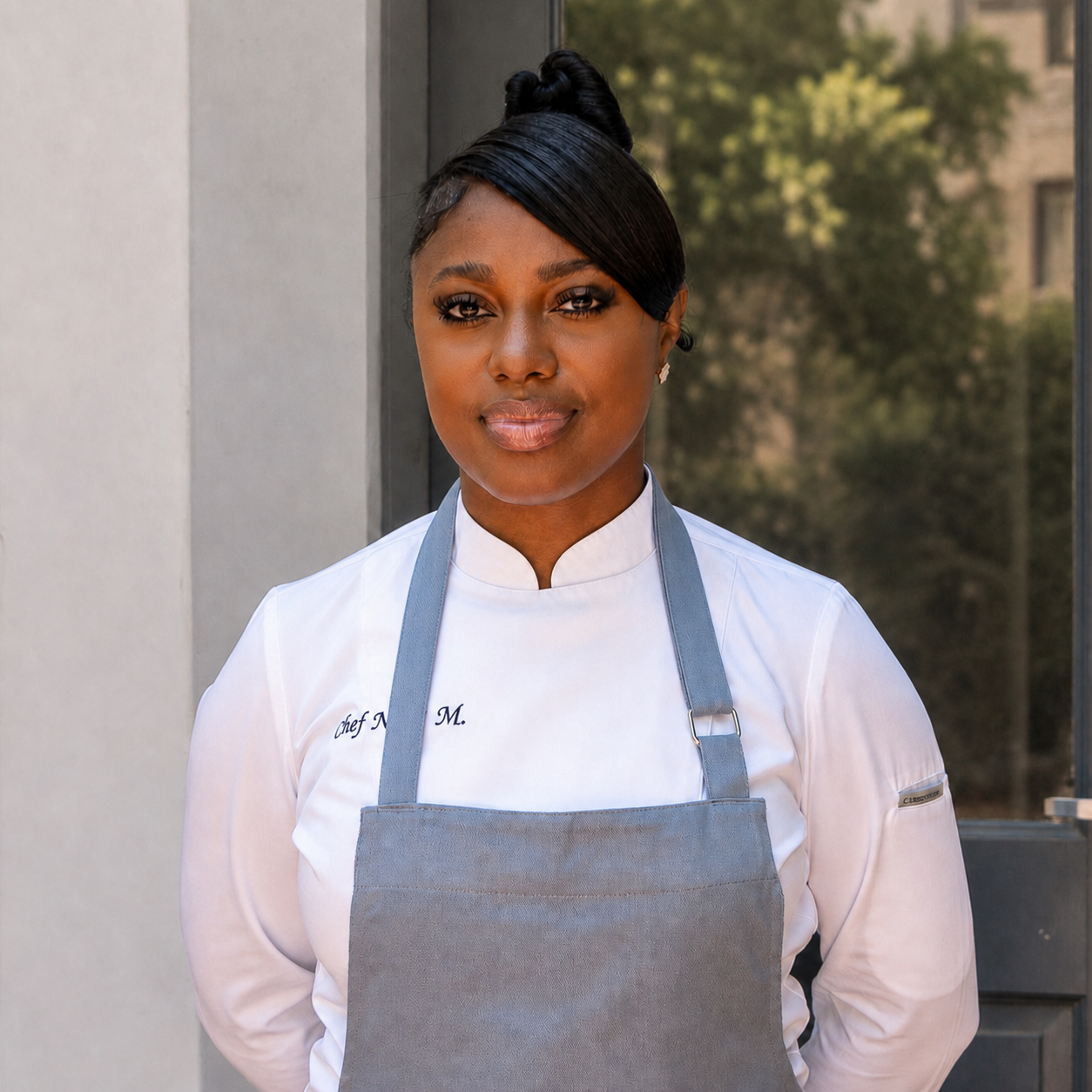
Mid-Atlantic programming
Chef Nadia Montague
Culinary Director
Chef Nadia leads Skillette’s Mid-Atlantic programming, drawing on experience in Michelin-starred fine dining, culinary education from Ecole Ducasse in Paris, and food programming. Her approach is grounded in classical technique, seasonality, regional ingredients, and sustainability, with an emphasis on connecting culinary technique to the cultural stories and traditions that give food meaning.
How do the core programs work?
Each program develops one discipline through six connected classes with the same cohort of up to eight students. Enrollment covers the complete program. Bread & Baking spans seven attendance dates because its final class, lamination and viennoiserie, takes place across two consecutive days.
How do I choose a program?
Start with the kind of cooking you want to develop. Culinary Techniques builds a foundation at the stove; Knife Skills focuses on preparation and working with whole ingredients. Pastry studies doughs, fillings, and finishing; Bread & Baking follows mixing, fermentation, shaping, and lamination. The curriculum above shows the progression in each.
When can I reserve my place?
Founding Circle reservations open November 10, followed by public reservations on November 12. You can explore the curriculum and all cohort dates now.
What does tuition cover?
The displayed tuition is per student for the complete program. You enroll in one cohort and attend all of its listed meetings. Review the full attendance schedule before choosing your cohort.
What if I have a dietary requirement or a question about attending?
Please contact hello@skillettecooking.com before choosing a program so the team can discuss your requirements.
Can I give a class as a gift?
Absolutely! Skillette gift cards are on the way. We’ll share purchasing and redemption details when they become available.
Your first season at Skillette
A place in the kitchen.
Something to look forward to.
Receive the announcement when core-program reservations open, along with seasonal notes from the Skillette kitchen.
Already on our email list? We’ll send you the announcement.
Founding Circle · November 10
Public reservations · November 12